Lubricants for Anal Sex: A Complete Guide to Safety and Comfort
Anal sex is a type of intimacy where preparation and trust are crucial. The “let’s see what happens” rule doesn’t work here. For the experience to be pleasurable rather than traumatic, your body must feel completely safe. And the main tool for this safety is a high-quality anal lubricant. Unlike the vagina, the rectum does not produce its own lubrication. At all. Therefore, any glide must be created artificially.
Is a Regular Lubricant Suitable for Anal Sex?
This is one of the most common questions. Many couples try to use the standard gel lubricant left over from classical sex. Can you do this? Technically yes, but there are nuances.

Regular products, especially water-based ones, often absorb into the skin and dry out too quickly. In vaginal sex, this is compensated for by natural moisture, but in anal sex, it is not. If the lubricant dries out mid-process, friction instantly increases. This leads to micro-tears, pain, irritation, and ultimately, fear of future attempts. Therefore, for anal contact, it is better to choose delicate products designed specifically for this purpose.
Difference Between Classical and Anal Lubricants
If you ask what makes an anal lubricant different from a general-purpose one, the answer lies in two words: viscosity and cushioning.
Highly “concentrated” lubricants can dry out the mucous membrane and increase the risk of micro-tears.
Anal lubricant usually has a thicker texture. It creates a reliable “cushion” between the body and the device (or partner), preventing direct friction on the mucosa. Additionally, these products often contain ingredients that relax muscles, soothe irritation, and absorb more slowly, ensuring long-lasting and high-quality glide.
Which Lubricant Base Is Ideal for Your Goals?
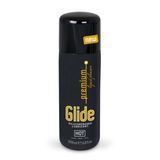
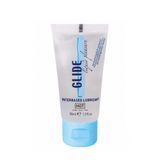
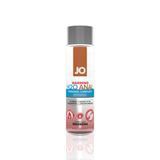
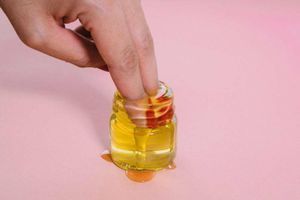
For anal sex, a silicone-based lubricant is usually considered the best choice—it doesn’t dry out for a long time, provides excellent and long-lasting glide, and is not absorbed into the skin. This is the “gold standard,” but it is incompatible with silicone toys. A water-based lubricant is universal, safe for all toys, and easily washed off, but for anal use, you need a special thick version (marked "Anal" or "Hybrid"), as the regular one dries out and is used up quickly.
How to Correctly Use Anal Lubricant
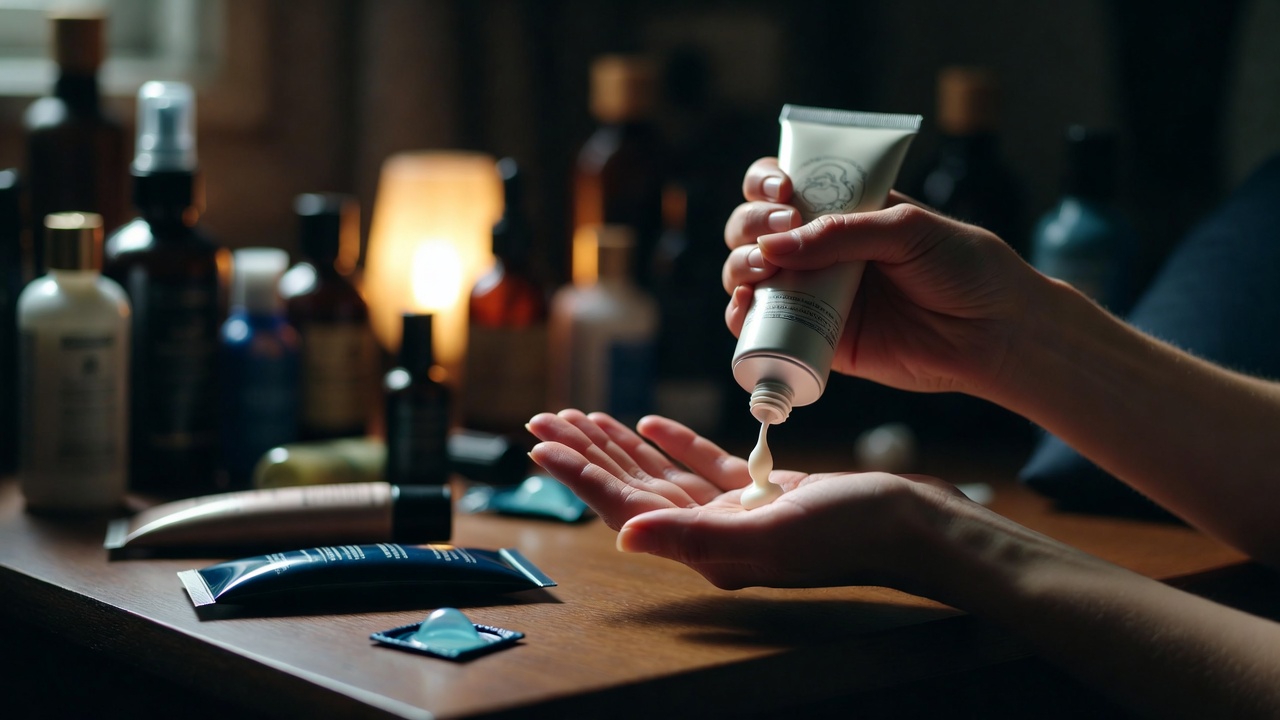
The main thing is that there should always be plenty of lubricant; you shouldn’t skimp here. First, squeeze a generous portion directly onto your finger, the penis head, or a toy. Then apply it well externally around the anus, slowly rubbing and spreading it—this will already significantly ease the initial penetration. When moving on to something larger, changing positions, or adding more fingers or toys—always add a new portion. Keep the tube handy so you can quickly apply more without stopping or tensing up.
If any friction, dryness, or discomfort appears, it means only one thing: there isn’t enough lubricant. Just add more, and everything will immediately become much more pleasant.
What Not to Do When Choosing a Lubricant
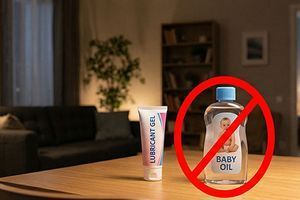
A regular water-based lubricant from a pharmacy or supermarket is often too thin and dries out quickly—for anal sex, this leads to friction and discomfort. Small, cheap tubes run out in one go; it's better to get a large bottle (200–500 ml) so you don't hold back on the amount.
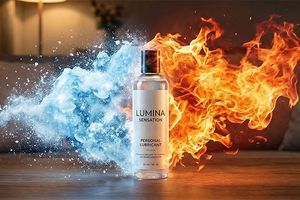
The ingredients should not include sugar, high amounts of glycerin, menthol, warming/cooling additives, or strong fragrances—these cause irritation and itching in the anal area. Saliva is not a substitute for lubricant: it dries quickly, glides poorly, and can introduce bacteria.
Silicone lubricant is not suitable for silicone toys—it will ruin their surface.
Conclusion
Anal sex can be a source of incredible pleasure, but only if you respect your body. Don’t skimp on comfort. A high-quality product is your best ally in the world of new sensations. Ready to try? I recommend not putting it off and buying an anal lubricant today at the SafeYourLove store, so your next experiment goes smoothly, safely, and with maximum pleasure.