What to Do if a Condom Breaks: A Clear, No-Panic Action Algorithm
The situation where, in the hottest moment, it turns out that protection is damaged can cause real shock to anyone. However, the main rule now is to take a deep breath and not give in to panic. Emotions in such minutes play against you, whereas a clear plan will help preserve your health and nerves.
It is important to understand that no one is immune to this: even the most reliable global brands have a minimal percentage of breaks. So, if a condom breaks, the consequences can be minimized if you act quickly, competently, and without unnecessary stress.
Emergency Actions in the First 10 Minutes
As soon as you notice the problem, sexual intercourse must be stopped immediately. What to do if a condom breaks in the very first minutes?
First, visit the bathroom for basic hygiene procedures. For women, it is sufficient to wash the external genitalia with warm water and go to the toilet (this helps mechanically flush bacteria out of the urethra).

Strictly forbidden: using aggressive antiseptics (such as chlorhexidine or miramistin) inside the vagina or performing deep douching. From a medical point of view, this is a huge mistake. Such actions wash out beneficial microflora (lactobacilli), injure the delicate mucous membrane, and create micro-cracks. Instead of protection, you are, on the contrary, opening the “gates” for infections to penetrate directly into the bloodstream.
Sometimes a break isn't obvious, but there's just a feeling that something went wrong. How to check if a condom broke if the damage is visually unnoticeable? The simplest and most accurate way is to carefully remove it, tie it in a knot and squeeze slightly, or fill it with water. If there is even a microscopic tear, the liquid will immediately start to seep through.
What to Do to Avoid Unplanned Pregnancy
The next step is an objective assessment of the probability of conception. The risk of getting pregnant if a condom breaks directly depends on the day of the woman's menstrual cycle and how close the moment of ovulation is. However, relying solely on the calendar method is extremely dangerous, as ovulation can shift due to stress, illness, or even changes in weather and climate. Waiting several weeks until the first signs of pregnancy appear is a strategy that will cost you many nerve cells.
Emergency medical contraception (also known as postcoital contraception) comes to the rescue. It works by suppressing or delaying ovulation, preventing the egg from meeting the sperm.
A special pill after intercourse is more effective the sooner you take it. There are drugs designed to be taken within 24, 48, or 72 hours after unprotected contact. But remember: this is a powerful dose of hormones that can cause cycle disruption, nausea, or weakness. Therefore, before going to the pharmacy, a consultation with a doctor is highly desirable. Today, it is not necessary to wait until morning or book an appointment at a clinic — an online gynecologist can quickly assess your risks and select the safest medication.

Protection Against Infections (STIs): When to Get Tested
The second critical aspect is prophylaxis after unprotected sex regarding sexually transmitted infections (STIs). If the incident occurred with a new or unfamiliar partner and you are not sure of their health status, there are clear medical protocols.
For example, to prevent HIV infection, there is post-exposure prophylaxis (PEP) — special antiretroviral therapy that must be started no later than 72 hours after the incident.
As for examination — running to the lab the very next morning is absolutely useless. In medicine, there is the concept of a “seronegative window.” This is the period when the pathogen has already entered the body, but the immune system has not yet produced antibodies, so no test will see them.
- Testing for STIs (chlamydia, gonorrhea, trichomoniasis) makes sense no earlier than 10–14 days later.
- Doctors recommend testing for HIV, syphilis, and hepatitis B and C after 4–6 weeks.
- Why do they break? Analyzing mistakes
- To prevent such a stressful situation from happening again, it's important to understand its cause. From the experience of experts, latex fails not because of mythical factory defects, but because of violations of the rules of use:
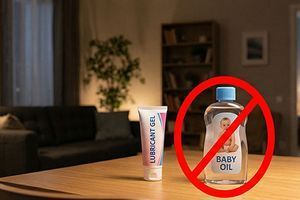
- Incompatible lubricants: This is mistake number one. Using oil-based products (coconut oil, petroleum jelly, lotions, creams) chemically destroys latex in literally 60 seconds. Only water-based or silicone-based products are compatible with classic condoms.
- Wrong size: A condom that is too tight experiences critical tension and pops, while one that is too large bunches up, leading to a break from excessive friction.
- Improper storage: Carrying it in a wallet, back pocket of jeans, or in a car glove box exposes the product to temperature fluctuations and mechanical stress. Latex dries out and becomes brittle.
- Mechanical damage: Opening the foil package with teeth, long nails, or scissors almost guaranteed leaves micro-cuts on the product.
Psychology of the Moment: Acting Together
A broken barrier is a test not only for health but also for trust between partners. The most important thing at this moment is not to look for someone to blame. Avoid toxic phrases like “you put it on wrong” or “you moved too sharply.” The situation has already happened, and you need to overcome it as a team.
Discuss the action plan together. This is the very moment when absolute honesty about your health and history of previous contacts is a sign of maturity and respect for each other. An open, supportive dialogue will reduce the level of panic and help act constructively.
Conclusions
A broken condom is an annoyance that causes anxiety, but with competent actions, negative consequences can be completely avoided. Do not waste time on fear: consult a doctor, take the necessary measures, and draw conclusions for the future.
Audit your home first aid kit today. Check the expiration dates of contraceptives and make sure you use the correct specialized lubricants. To be 100% sure of your safety, always buy intimate goods in trusted stores where storage conditions are strictly observed.